Chat, or crew
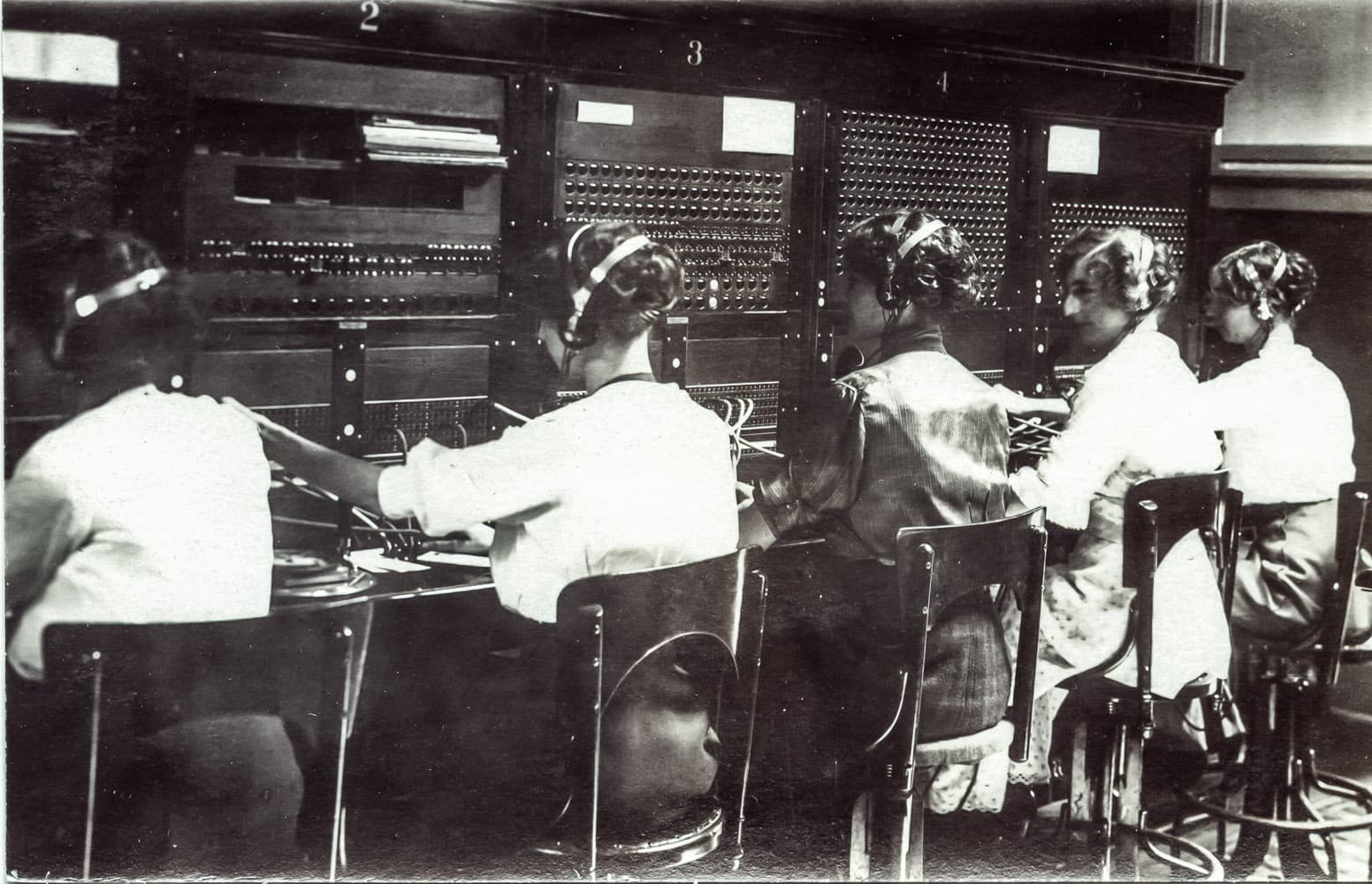
Most owners use AI like a chat window: ask, copy, paste, repeat. Orchestration is several agents, each with one job, handing work to each other while you make the calls. This guide is the step from the first to the second.
Chat: how most owners use AI.
Crew: what the guide sets up.
Pick a call
Four things that land on a small business every week. Choose one and follow it down the line: which agent picks it up, who it hands to, and the one moment it needs you.
- Inbox agentReads it, tags it “shipping”, pulls the order number
- Store agentLooks up tracking in your shop and the carrier
- Writer agentDrafts the reply in your tone, tracking link included
- YouTap approve. Thirty seconds instead of ten minutes.
What’s inside
Three short parts you can read in one sitting and set up over a weekend. No theory you won’t use; every page ends with something to do.
Part one: the map
- List every task in your week15 min
- Mark the ones that need a human10 min
Part two: the crew
- Your first three agents and what each owns20 min
- A job description an agent can follow15 min
- The hand-off: passing work agent to agent15 min
Part three: the board
- Where you approve, and where you never need to10 min
- Which tools to use at each budget10 min
- Your week-one checklist5 min
You finish with a working first crew1 hr 40 min
Questions, answered
What is AI orchestration, in plain words?
Instead of one chat window doing one thing at a time, you set up several AI agents that each own a job (answer the inbox, draft posts, chase invoices) and pass work to each other. You decide the rules and approve the moments that matter.
Do I need to code?
No. Everything in the guide is built with tools that run in a browser. If you can set up an email autoresponder, you can follow it.
What does it cost to run?
Most small businesses can start on the AI subscriptions they already pay for. The guide lists what to use at three budgets, starting from free tiers.
Is it for my kind of business?
It’s written for owner-run businesses with between one and twenty people: shops, coaches, service businesses, creators selling products. If your week has repeat tasks, it fits.
Will the agents talk to my customers without me?
Only where you allow it. Part three is about deciding which messages go out on their own and which wait for your tap.
What happens after I sign up?
The guide lands in your inbox in a minute or two. After that, an occasional email from me with new setups. Unsubscribe whenever you like.
Get the guide
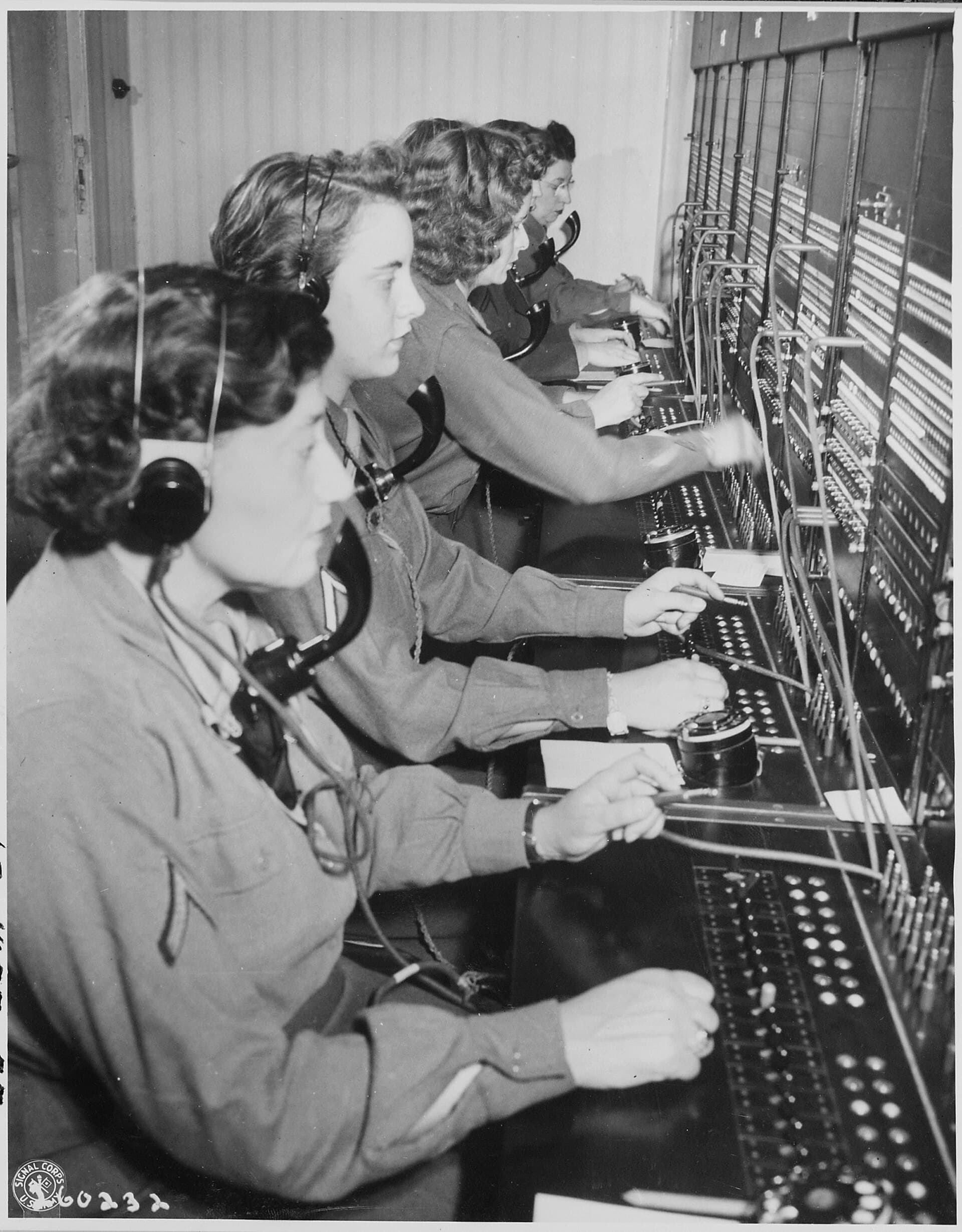
The Switchboard, free. Tell me where to send it.